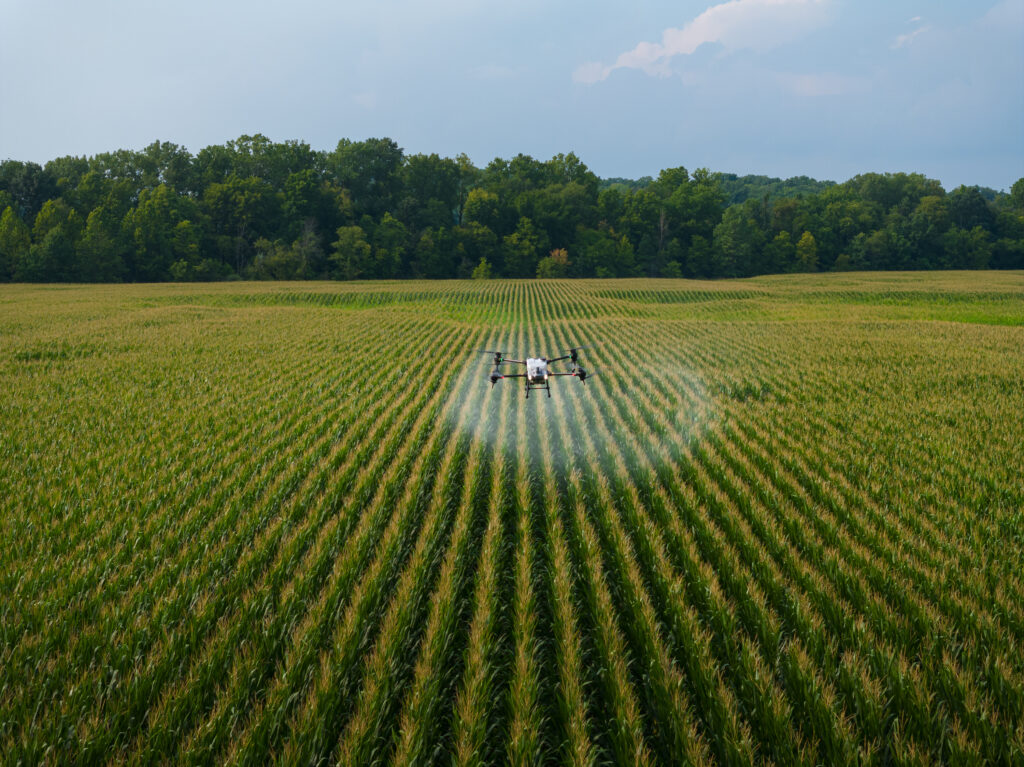
Picture this: You grab a cup of coffee on your way to your first field of the day. The day has been easy and as the weather has cooperated for the most part. You are finishing up the last pass and are planning on the next day of work. But then… your drone decides to nose dive straight into the field and 1 of it’s 4 arms are broken. Now you’re left wondering, what do I do now? “Do I file an insurance claim, or just get a new drone and pretend this never happened?” Fear not! Let’s chat about when you should actually turn in an insurance claim and ease that decision process.
The Basics: What constitutes a claim and when should I file?
First things first! Before you jump on the phone to your insurance agent, it’s essential to know the right situations to file a claim. Here are a few pivotal moments when it’s wise to consider submitting an insurance claim:
- Accidental Damage: If your aircraft meets an unfortunate fate—thanks to a crash, collision, or any sort of mishap—this is prime claim territory. You need to stop and assess the situation while making sure you don’t cause further damage or leave your equipment in dangerous situations. You’re hull and spares coverage will be there for these situations.
- Liability Issues: If your drone decides to run into something or overspray onto neighboring property or neighbors, you might find yourself facing liability claims. Better to file if you suspect legal headaches await.
- Theft: If your drone vanishes in the middle of the night at the local hotel of the town you’re working in, it’s time to file a claim. Just make sure to report that theft to the authorities first—insurance companies like to see a police report on this one.
- In transit (Inland marine): If you find yourself driving down the road to your next job and your generator flies out the back of your trailer, ensure your equipment is covered for non-flight perils.
*All insurance claims must have an occurrence before a claim can be filed. Insurance will not cover wear and tear, warranty issues, or direct negligence.
Key Facts & Insights
Before you hit ‘send’ on that claims report, it’s essential to think through a few key facts:
- Actual Damage: You can’t file a claim based on “what might happen.” Is your drone actually broken? Did your neighbor’s prized rose bush get dusted and you can see actual damage? If the answer is yes, it’s time to consider filing.
- Financial Threshold: Every policy has a deductible – that amount you’ll have to pay out-of-pocket before your insurance kicks in. If your damage is less than your deductible, you might want to save that claim for a different day.
- Policy Timeframe: You generally have a limited time to file a claim after an incident. Check with your agency (like VT Insurance Agency!) to see how long you have. Forgetting this could leave you high and dry!
- Documentation is Vital: If you’re going to file a claim, make sure you’ve documented everything and have all your FAA paperwork in order. Photos, police reports (if applicable), and eyewitness accounts can be downright essential when it comes time to make your case.
Common Mistakes & Solutions:
- Mistake #1: Waiting too long to report an incident.
- Solution: It is the insured’s obligation to turn in a claim in a timely manor. Waiting too long could hurt your case when time is of the essence. Agronomists need time to do their testing so they can defend you as best as possible.
- Mistake #2: Thinking you have to agree with all the claimants grievances.
- Solution: Call your experienced VT Insurance rep and ask for their advice. You need someone who’s been in these scenarios to advise you through these situations. Some farmers see drones and airplanes flying around and see insurance dollars that could help off-set a bad yield.
- Mistake #3: Overestimating minor damages.
- Solution: Get a repair and service estimate before turning in a claim. What might seem like a total loss could just be a $1,000 repair.
- Mistake #4: Don’t find yourself being underinsured.
- Solution: Knowing what you’re spraying and what you’re spraying next to is what makes you a professional applicator. If you are spraying near specialty crop or in area’s with high risk of drift, ask your agent to explore higher $300k and $500k chemical limits.
Why Insurance Matters
Speaking of being thankful, can we take a moment to discuss why insurance is not just an extra expense, but your safety net in times of aerial disaster?
- Peace of Mind: Knowing that you have a backup plan should the unthinkable happen can take a load off your back.
- Financial Protection: An incident can rack up costs quicker than a speedy drone at full throttle. Insurance can help cover repair expenses, which might save your wallet from needing therapy!
- Future Opportunities: Ensuring your aircraft is covered allows you to take on bigger projects without worrying about what happens if something goes wrong.
Conclusion:
Now that you’re armed with a little more knowledge about when to file an insurance claim, hopefully, you can approach any potential pitfalls with confidence and a grin! Just remember: a claim filed in a timely and efficient manner can save you stress and downtime during the busy season.
Got questions or think you might be ready to explore your insurance options? Contact us at VT Insurance Agency; we can help you make sense of your coverage and ensure your aerial application jobs stay safe and profitable. Let’s get you insured and flying high, worry-free!
#Claims #Agdrone #Spraydroneinsurance #Drift